Understanding NAD+: What It Is and Its Potential Goals
Understanding NAD+: What It Is and Its Potential Goals
4/25/20267 min read
Introduction to NAD+
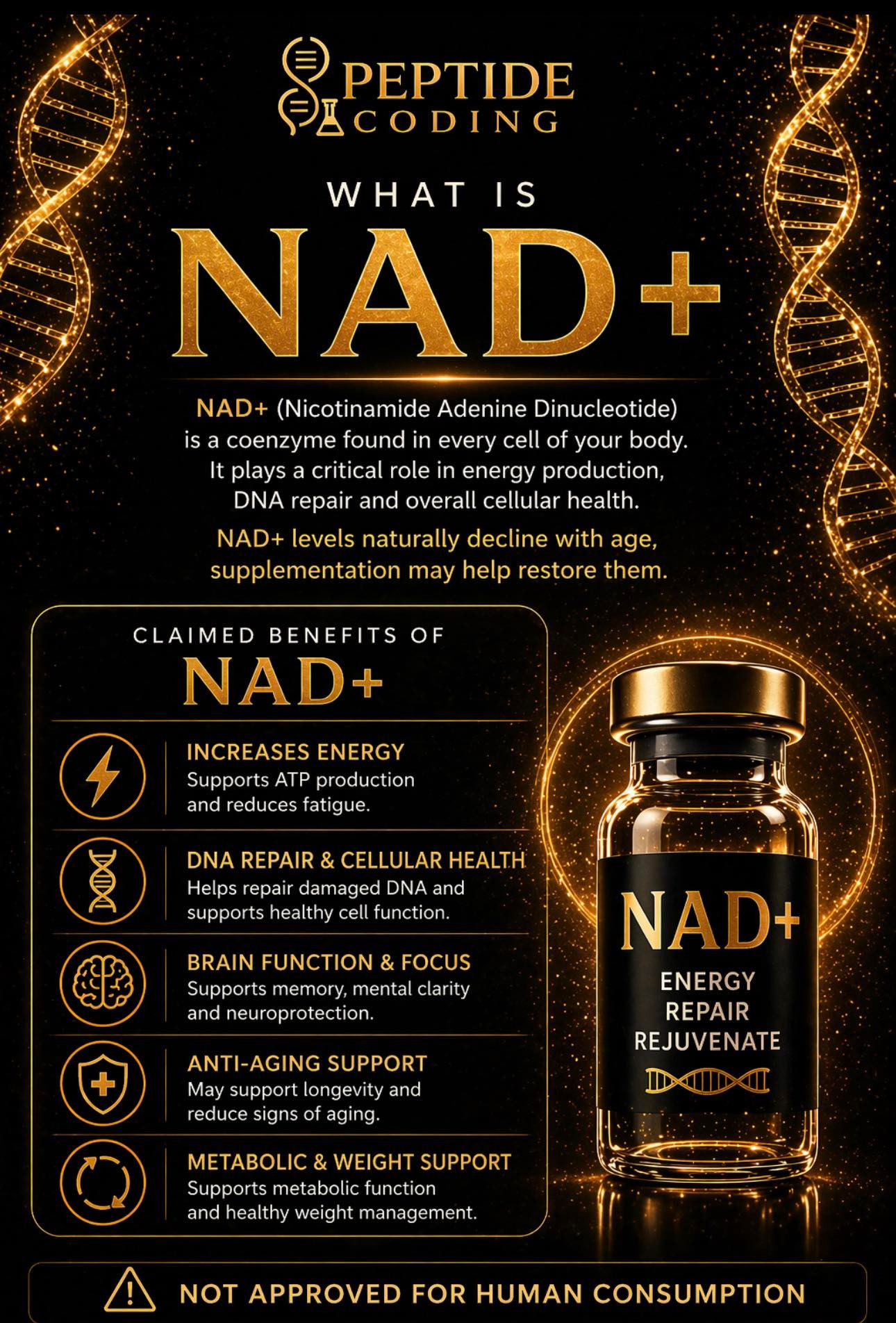
Nicotinamide adenine dinucleotide, commonly referred to as NAD+, is a vital coenzyme present in all living cells. It plays a crucial role in various biological processes, particularly in cellular metabolism and energy production. As an essential coenzyme, NAD+ assists enzymes in various biochemical reactions, essentially facilitating the conversion of food into energy. This process is fundamental for maintaining cellular functions and overall health.
One of the primary functions of NAD+ in the body is its involvement in redox reactions, where it alternates between oxidized and reduced states. This cycle is crucial for the production of adenosine triphosphate (ATP), the energy currency of the cell. Through these redox activities, NAD+ not only supports ATP synthesis but also contributes to the metabolic pathways that process carbohydrates, fats, and proteins, ensuring that cells operate efficiently.
Furthermore, NAD+ plays a role in DNA repair and maintaining genomic stability. It serves as a substrate for various enzymes, including sirtuins, which are implicated in cellular stress responses and longevity. The presence of adequate levels of NAD+ is linked to numerous health benefits, including improved metabolic function, enhanced cognitive capabilities, and even potential anti-aging effects. As such, understanding the functions and benefits of NAD+ is essential for exploring its potential applications in health and wellness.
This introductory overview of NAD+ highlights its significance in metabolic processes and cellular health, laying the groundwork for a more in-depth investigation into its numerous biological roles and therapeutic potentials.
The Science Behind NAD+
Nicotinamide adenine dinucleotide, commonly referred to as NAD+, is a crucial coenzyme found in all living cells. It plays a vital role in fundamental biochemical processes, particularly in redox reactions, which involve the transfer of electrons. NAD+ exists in two forms: the oxidized form (NAD+) and the reduced form (NADH). These two forms are involved in numerous metabolic pathways, with NAD+ serving as an essential electron acceptor in cellular respiration, notably in the Krebs cycle and oxidative phosphorylation.
The synthesis pathways for NAD+ in the body are equally significant. NAD+ can be generated through several pathways, including the salvage pathway, which recycles nicotinamide, and the de novo synthesis pathway that utilizes tryptophan. These pathways highlight the body's ability to maintain adequate levels of NAD+, which is crucial for energy production and overall metabolic health. Research indicates that when NAD+ levels decline, cellular functions may be adversely affected, leading to reduced energy production and increased risk of various age-related diseases.
Moreover, NAD+ interacts with other critical molecules within the cell, including sirtuins and poly(ADP-ribose) polymerases (PARPs). Sirtuins, a family of proteins, require NAD+ for their activity and are involved in regulating cellular functions such as longevity, metabolism, and stress responses. PARPs, on the other hand, utilize NAD+ to facilitate cellular repair mechanisms in response to DNA damage. These interactions illustrate the multifaceted roles of NAD+ beyond simple energy metabolism, underscoring its importance in maintaining cellular homeostasis.
In summary, NAD+ is a central player in numerous biochemical processes essential for life. Its role in redox reactions, alongside its synthesis pathways and interactions with other biomolecules, establishes its physiological significance in maintaining health and vitality.
Potential Health Benefits of NAD+
NAD+ (Nicotinamide adenine dinucleotide) is a coenzyme found in every living cell, playing a crucial role in various biological processes, including energy metabolism and DNA repair. Recently, there has been increasing interest in NAD+ supplementation due to its potential health benefits. This section will discuss several areas where NAD+ may offer promising applications, although it is essential to note that ongoing research is needed to establish definitive conclusions.
One of the primary benefits associated with NAD+ supplementation is its role in cellular repair mechanisms. NAD+ is integral to the function of sirtuins, a family of proteins that regulate cellular health, longevity, and stress resistance. Research has suggested that increasing NAD+ levels can enhance the activity of sirtuins, thereby promoting cellular repair and protecting against damage related to aging and environmental stressors. However, while studies in animal models have shown promising results, more human trials are necessary to confirm these effects.
Additionally, NAD+ has garnered attention for its potential in improving metabolic function. Some studies indicate that boosting NAD+ levels may enhance energy expenditure and promote weight loss by increasing mitochondrial function. This enhanced metabolic capability could be particularly beneficial in the context of obesity and related metabolic disorders. Yet, the evidence remains inconclusive, and rigorous human studies are required for validation.
Furthermore, there is growing evidence that NAD+ supplementation may have profound effects on cognitive function. Research has shown links between NAD+ levels and neurodegenerative diseases, suggesting that replenishing NAD+ could potentially aid cognitive health and protect against conditions such as Alzheimer's disease. While preliminary findings are compelling, further investigations are essential to substantiate these claims.
In summary, while the potential health benefits of NAD+ supplementation are vast, including cellular repair, metabolic enhancement, and cognitive improvement, more extensive research and clinical trials are required to understand its true efficacy and safety in humans.
Current Research and Clinical Studies
Nicotinamide adenine dinucleotide (NAD+) has garnered increasing interest in the field of research, particularly for its role in cellular metabolism and energy production. Recent studies have begun to unravel the potential therapeutic applications of NAD+ in various health conditions, signaling a new frontier in both clinical and preclinical research.
One major area of investigation involves the use of NAD+ as a potential treatment for age-related diseases. Researchers are exploring how boosting NAD+ levels can mitigate the impacts of aging, with potential implications for conditions such as neurodegenerative disorders. Clinical trials are underway to assess the efficacy of NAD+ precursors, such as nicotinamide riboside (NR) and nicotinamide mononucleotide (NMN), in improving cognitive function and overall health in older adults.
Another promising avenue is the role of NAD+ in metabolic disorders, including type 2 diabetes and obesity. Studies have suggested that enhancing NAD+ availability could improve insulin sensitivity and support metabolic health. Ongoing clinical research is evaluating whether interventions that elevate NAD+ levels can impact metabolic pathways in individuals with these conditions.
Additionally, NAD+ is being investigated for its potential protective effects in cardiovascular health. Preliminary studies indicate that NAD+ might help maintain endothelial function and improve vascular health, making it a key focus for research into heart disease.
While these ongoing clinical studies show promise, much remains to be learned about NAD+. The complexities surrounding its role in cellular processes and the long-term effects of elevating NAD+ levels continue to be explored. As researchers delve deeper into this pathway, the potential applications of NAD+ in therapeutic contexts may expand, offering new hope for various health conditions.
Safety and Regulatory Status of NAD+
Nicotinamide adenine dinucleotide (NAD+) has gained significant attention in the field of health and longevity due to its potential therapeutic benefits. However, it is important to note that as of now, NAD+ is not approved by the Food and Drug Administration (FDA) for human consumption. This lack of regulatory approval indicates that while there is ongoing research into its efficacy, it has not yet reached the standards necessary to ensure safety and effectiveness in a clinical setting.
The implications of NAD+ not being FDA-approved are multifaceted. First, it highlights the necessity for rigorous clinical trials and research to definitively establish its safety and potential health benefits. The FDA's approval process is designed to protect consumers from products that could pose health risks. As research progresses, there may be emerging evidence supporting the use of NAD+ supplements for various medical conditions, such as age-related diseases, metabolic disorders, and neurodegenerative conditions. However, until conclusive results are available, consumers must exercise caution.
Moreover, the status of NAD+ also raises questions about its quality and standards, as products marketed as NAD+ supplements may vary in purity and concentration. The lack of regulatory oversight could lead to variations in product formulations, effectiveness, and possible side effects. Therefore, those interested in using NAD+ supplements should consider consulting a healthcare professional before initiating use. Cautious optimism is warranted as research efforts continue, but the current regulatory landscape necessitates a patient and informed approach to the potential therapeutic use of NAD+.
NAD+ and Supplementation: What to Consider
Nicotinamide adenine dinucleotide (NAD+) is a coenzyme present in every cell of the body, playing a critical role in cellular metabolism and energy production. With growing interest in NAD+ supplementation for its potential anti-aging benefits and energy enhancement, individuals must carefully consider several factors before incorporating these supplements into their regimen.
Several forms of NAD+ supplements are available in the market, including NADH (reduced form of NAD+) and precursors like nicotinamide riboside (NR) and nicotinamide mononucleotide (NMN). Each form varies in bioavailability and effectiveness, meaning that some may be absorbed and utilized by the body more efficiently than others. Research is still ongoing regarding the optimal dosages and long-term effects of these supplements, emphasizing the need for personalized approaches.
Before starting an NAD+ supplement, it is crucial to consult with a healthcare professional, especially for individuals with pre-existing health conditions or those taking prescription medications. A healthcare provider can offer tailored advice, assess potential interactions, and evaluate the necessity of supplementation based on individual health goals.
While many people tolerate NAD+ supplementation well, potential side effects may arise. Some users report mild symptoms such as nausea, fatigue, or headaches, which could indicate an adjustment period for the body. More concerning effects, though rare, could include reactions specific to particular supplement formulations or individual sensitivities.
In summary, NAD+ supplementation offers potential benefits, but individuals must approach it cautiously. Understanding the various forms of supplements, seeking professional guidance, and being aware of possible side effects are essential steps in ensuring a safe and beneficial experience with NAD+ supplementation.
Conclusion and Future Perspectives
In summary, NAD+ (Nicotinamide Adenine Dinucleotide) is an essential coenzyme present in all living cells, playing a pivotal role in various metabolic processes. It serves as a critical electron carrier in the mitochondrial energy production pathway and is intricately involved in cellular repair mechanisms, including DNA repair and maintaining cellular health. The importance of NAD+ has gained substantial attention in recent years, especially in the context of age-related diseases, metabolic disorders, and neurodegenerative conditions.
The potential therapeutic applications of NAD+ are promising, with ongoing research highlighting its implications in enhancing overall health, longevity, and the prevention or treatment of specific ailments. Studies have indicated that boosting NAD+ levels could mitigate some effects of aging, improve energy metabolism, and promote cellular repair mechanisms. Furthermore, compounds such as Nicotinamide Riboside (NR) and Nicotinamide Mononucleotide (NMN) are being investigated for their ability to elevate NAD+ levels and potentially provide therapeutic benefits.
Looking ahead, the future of NAD+ research appears bright. As scientists continue to explore its vast biological roles and underlying mechanisms, we are likely to uncover more about its significance in human health. It is essential for researchers, healthcare professionals, and the general public to stay informed about the latest developments. Continuous exploration may yield new treatments or preventative measures for a range of conditions stemming from NAD+ deficiency. Therefore, the importance of NAD+ in both cellular function and therapeutic strategies cannot be overstated, and it remains a critical area for future biomedical research.