Understanding Cagrilintide Peptide: Uses and Implications
4/19/20267 min read

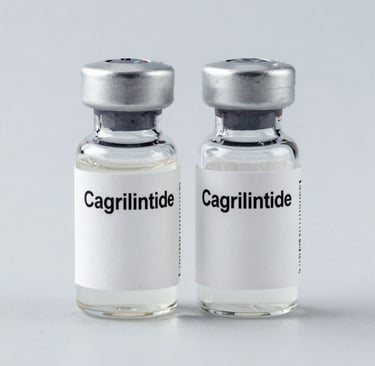
Introduction to Cagrilintide Peptide
Cagrilintide peptide is classified as a novel therapeutic candidate in the realm of peptide-based treatments. It is notably derived from a naturally occurring class of signaling molecules known as incretins, which play a significant role in glucose metabolism. The chemical structure of cagrilintide is characterized by a unique amino acid sequence, which is designed to mimic the activity of glucagon-like peptide-1 (GLP-1) while enhancing its therapeutic efficacy.
Early research on cagrilintide has primarily focused on its potential benefits in the management of obesity and type 2 diabetes. Preliminary studies highlight its ability to stimulate insulin secretion and improve glycemic control, which provides a foundation for its exploration as a viable treatment option. Researchers have been keen to examine the peptide's pharmacokinetics, biological activity, and safety profile, as these factors are critical to determining its usefulness in clinical settings.
In addition to its applications in metabolic disorders, cagrilintide peptide is being investigated for its potential influence on appetite regulation and weight loss. By engaging specific receptors in the brain and gastrointestinal tract, the peptide may help modulate hunger signals, thus supporting weight management strategies. As the body of research grows, it becomes clear that cagrilintide holds promise as a multifaceted treatment, extending its implications beyond traditional diabetes management.
While cagrilintide peptide is still in the nascent stages of clinical exploration, ongoing studies are revealing its potential contributions to therapeutic approaches. Comprehensive evaluations will continue to inform healthcare providers about its applicability within the larger framework of current medical therapies. The anticipation surrounding this peptide is indicative of a broader trend toward harnessing the power of biologically derived molecules in drug development.
Mechanism of Action
Cagrilintide peptide, a member of the incretin-based therapeutic agents, functions primarily through its interaction with the glucagon-like peptide-1 (GLP-1) receptor. By mimicking the action of natural incretins, cagrilintide induces a variety of physiological responses that contribute to its therapeutic effectiveness in metabolic disorders. One significant mechanism is the stimulation of insulin secretion from pancreatic beta cells in a glucose-dependent manner. This selective stimulation ensures that insulin is released primarily when blood glucose levels are elevated, thereby reducing the risk of hypoglycemia, a common concern associated with other insulinotropic therapies.
In addition to enhancing insulin release, cagrilintide exerts notable effects on appetite regulation and food intake. The peptide achieves this by acting centrally within the brain, particularly in areas responsible for appetite control. It promotes satiety and reduces hunger signals, thus contributing to weight management in individuals with obesity and type 2 diabetes. By influencing the anorexigenic pathways, cagrilintide can effectively assist in achieving better glycemic control while facilitating weight loss, a critical component of managing these conditions.
Furthermore, cagrilintide is believed to play a role in enhancing glucagon regulation, another key hormone in glucose metabolism. By decreasing hyperglucagonemia—a condition characterized by elevated glucagon levels—cagrilintide can help improve overall glycemic stability. This multifaceted mechanism not only highlights the potential of cagrilintide as a cornerstone in diabetes management but also underscores its applicability in various metabolic disorders. The numerous pathways influenced by cagrilintide peptide showcase its significance as a therapeutic candidate, promising better outcomes for individuals affected by obesity and type 2 diabetes.
Potential Medical Uses
Cagrilintide peptide is an emerging therapeutic agent that has garnered significant attention in recent years. This interest primarily stems from its potential applications in addressing obesity management and various metabolic disorders. Several research studies have begun exploring the peptide's effectiveness, and the preliminary findings are promising.
One of the primary uses of cagrilintide peptide is in the management of obesity. The peptide works by mimicking the effects of endogenous glucagon-like peptide-1 (GLP-1), which plays a crucial role in appetite regulation and insulin secretion. Through its mechanism of action, cagrilintide is believed to promote a feeling of satiety, thereby leading to reduced caloric intake. This effect is particularly vital in the broader context of obesity management, as it addresses one of the key factors contributing to weight gain.
In addition to its potential role in obesity, cagrilintide peptide is also being investigated for its implications in metabolic disorders, such as diabetes. Preliminary research indicates that the peptide may enhance glycemic control by improving insulin sensitivity and reducing hepatic glucose production. Such effects could be particularly beneficial for individuals battling type 2 diabetes, where managing blood sugar levels is critical.
Furthermore, cagrilintide peptide is under evaluation for its potential applications in other health implications, including cardiovascular health and appetite regulation beyond mere weight loss. The holistic approach of utilizing cagrilintide peptide in treating metabolic syndrome represents an exciting frontier in modern medicine.
The ongoing research into the medical uses of cagrilintide peptide acts as a reminder of the complexity and interconnectedness of body systems. As more studies emerge, we can expect to gain a clearer understanding of how cagrilintide could play a pivotal role in improving patient outcomes across a range of health conditions.
Current Research and Clinical Trials
As the medical community continues to explore the utility of cagrilintide peptide, several key research studies and clinical trials have emerged, providing valuable insights into its potential applications. Cagrilintide, a novel peptide, has garnered attention primarily for its implications in treating metabolic diseases, particularly obesity and related conditions.
Recent clinical trials have progressed through various phases, with many focusing on the peptide's efficacy and safety profile. For instance, a Phase 2 study investigated cagrilintide's impact on glycemic control and weight management in individuals with type 2 diabetes. Preliminary results indicated that participants experienced significant weight loss and improved blood sugar levels compared to the placebo group, suggesting its potential as a therapeutic option.
Another notable trial examined the peptide’s effects on cardiovascular health. This study included a diverse population and aimed to assess whether cagrilintide could reduce cardiovascular risk factors. The findings revealed that the peptide not only helped in weight reduction but also positively affected lipid profiles, indicating an additional benefit for cardiovascular health.
Moreover, ongoing studies are emphasizing the long-term impacts of cagrilintide treatment. Researchers are particularly interested in the sustainability of weight loss and metabolic improvements over extended periods. Initial data collected from participants suggests that many have maintained their weight loss after discontinuation of the peptide, thus emphasizing its potential for long-term management of obesity.
As the body of research grows, understanding the implications of cagrilintide in various clinical contexts will be paramount. The results from these studies not only bolster the existing knowledge regarding cagrilintide peptide but also pave the way for future trials aimed at establishing its efficacy across broader populations and conditions.
Safety and Side Effects
Cagrilintide peptide, a novel compound being investigated for its potential therapeutic benefits, has garnered attention due to its implications in managing metabolic disorders. However, as with any emerging medication, understanding the safety profile and potential side effects is critical prior to its widespread application. Initial research findings suggest that while cagrilintide peptide meets certain efficacy benchmarks, its safety profile warrants careful examination through further clinical investigations.
Reported side effects of cagrilintide peptide, based on preliminary studies, include gastrointestinal issues such as nausea, vomiting, and diarrhea. These symptoms are fairly common with peptide-based therapies and can significantly affect patient adherence to treatment regimens. Other potential side effects may include alterations in appetite and fluctuations in body weight, observations that align with weight management goals but might present challenges for users not intending to lose weight.
More concerning, early reports indicate the possibility of metabolic disturbances and changes in glucose metabolism, which necessitate cautious monitoring of patients. The long-term safety profile remains largely unknown, underscoring the necessity for extended studies that include diverse demographic populations. It is imperative that ongoing research efforts comprehensively evaluate cagrilintide peptide’s effects over prolonged periods to ensure that any emergent risks can be identified and appropriately managed.
In summary, while the potential of cagrilintide peptide in therapeutic applications is promising, the preliminary safety and side effect information highlights the importance of further studies. A thorough understanding of its risks is essential prior to its approval for human consumption and should include substantial clinical trials to ascertain its safety in diverse group settings.
Regulatory Status and Future Outlook
The cagrilintide peptide is a synthetic compound that has attracted attention due to its potential therapeutic applications, particularly in the realms of metabolic health and weight management. However, as of now, the regulatory status of cagrilintide peptide remains tentative, as it is not yet officially approved for human use. The compound is currently undergoing evaluation by the Food and Drug Administration (FDA) in the United States, which could potentially pave the way for its future clinical applications.
Presently, cagrilintide is classified as an investigational drug, meaning that ongoing studies are essential to establishing its efficacy and safety profile. These studies are critical for determining how cagrilintide peptide interacts within the human body, the optimal dosages, and its side effect spectrum. As with any new pharmaceutical agent, a comprehensive review by regulatory bodies will dictate its path forward. If successful in trials, the timeline for FDA approval could vary, but it often spans several years from initial trials to full-market availability.
In addition to regulatory hurdles, research into cagrilintide peptide is progressing on multiple fronts. Laboratories and clinical institutions are actively engaged in studies that investigate not only the weight-loss effects but also potential impacts on related metabolic conditions such as diabetes. The outcomes of these studies could significantly influence the regulatory viewpoint on cagrilintide, shaping its future in clinical practice.
As researchers continue to explore its capabilities, stakeholders in the healthcare industry are closely monitoring the developments surrounding cagrilintide peptide. The eventual acceptance by regulatory agencies would not only open pathways for its therapeutic use but may also herald a new chapter in the management of conditions linked to obesity and metabolic disorders.
Conclusion and Disclaimer
The exploration of cagrilintide peptide reveals its promising potential within the realms of metabolic health and weight management. Throughout this discussion, we have highlighted its mechanism of action, indicating how it may assist in regulating appetite and promoting weight loss by mimicking the effects of natural hormones. Furthermore, the peptide's role in obesity treatment and potential implications for conditions such as type 2 diabetes were thoroughly evaluated, showcasing its multifaceted applications in modern health care.
However, it is imperative to highlight that the journey of cagrilintide peptide is still underway. The current status of this peptide is that it has not yet received approval from the Food and Drug Administration (FDA) for human use. Therefore, while clinical trials continue to investigate its efficacy and safety, it remains crucial for prospective users and health professionals to stay informed about its regulatory pathway.
Pending the outcome of ongoing studies, it is necessary to exercise caution. The substance, although promising, should not be considered a substitute for standard treatment options without proper oversight from healthcare providers. As with all emerging therapeutics, the integration of cagrilintide peptide into clinical practice will hinge on robust evidence of its effectiveness and safety proven through rigorous testing and eventual FDA endorsement.
In conclusion, the cagrilintide peptide holds significant promise for addressing obesity-related challenges, yet its journey is at a critical juncture, necessitating a thoughtful approach towards its adoption in clinical scenarios pending full regulatory approval.